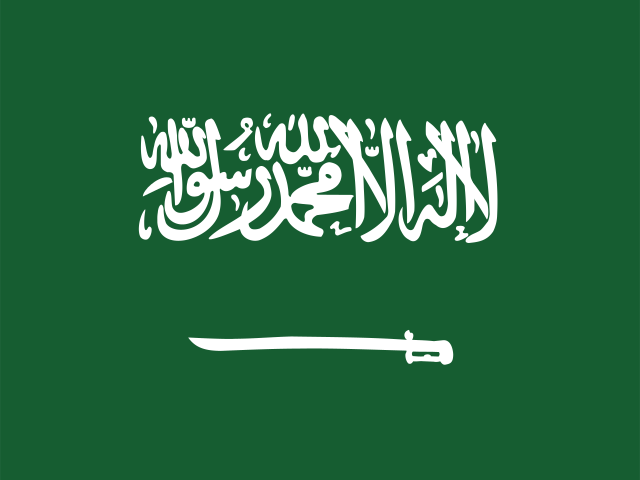
 Saudi Arabia
 ranks #18 of 242 on the Composite Power Index (7.2/100), scored on military spending, active personnel, nuclear arsenal, economic size and logistics. Its Instability Index is 25.9/100 (#102 most fragile). Every figure below carries its source and year. Data read 2026-10-22.
Analyst briefing
Saudi Arabia: Large Reserves, Heavy Defense Spending, Low Democracy Scores
Saudi Arabia's economy was valued at $1.24 trillion in 2024, per the World Bank's WDI figures, with GDP per capita of $35,122 and a population of 35.3 million the same year. Government debt is projected at a comparatively low 32.1 percent of GDP in 2026, per the IMF's World Economic Outlook, well below the ratios recorded for several other states in this briefing series. Reserves stood at $459.8 billion in 2025, per the IMF's International Financial Statistics, among the larger reserve positions in this set and a sum well in excess of the country's projected debt burden relative to GDP.
Military Capacity
Military spending reached $83.18 billion in 2025, equal to 6.482 percent of GDP, per SIPRI's 2025 figures — one of the highest spending-to-GDP ratios in this set. SIPRI computes that ratio against its own GDP series, not the World Bank's $1.24 trillion figure cited above, and the two should not be combined. Active personnel totaled 257,000 in 2022, per the Correlates of War National Material Capabilities (COW NMC) dataset, which also lists a composite index of national capability (CINC) of 0.0134 for that year — the largest active-personnel figure among the Gulf and Asian states reviewed in this series. No nuclear-weapons figure is present in the supplied data.
Governance
V-Dem's 2025 figures (v15) score Saudi Arabia's electoral democracy at 0.016 and liberal democracy at 0.047 — among the lowest values for any metric in this briefing set — while state capacity is scored at 0.396, indicating constrained administrative reach relative to the country's wealth. The gap between the near-zero democracy scores and the mid-range state-capacity figure suggests an administrative apparatus capable of executing policy without the electoral or liberal constraints V-Dem measures. That state-capacity score, while higher than the democracy indices, still sits below the figures recorded for the wealthier European states in this briefing series, despite Saudi Arabia's large reserves and low government debt.
Energy
Saudi Arabia's primary energy consumption was 11.85 exajoules in 2024, and it generated 454.64 terawatt-hours of electricity the same year, per Our World in Data. Oil production reached 5,933.3 TWh and gas production 1,214.8 TWh, both for 2024 — combined hydrocarbon output more than fifteen times the country's own electricity generation figure, consistent with a dominant export-oriented hydrocarbon producer, though no export breakdown or multi-year trend was supplied for comparison.
Sources: World Bank WDI; IMF WEO; IMF IFS; SIPRI Milex; COW NMC; V-Dem v15; Our World in Data (Energy)
Written from the sourced figures on this page and checked against them before publication — any figure not present in the data blocks the briefing. Generated 2026-10-06.
What drives the instability score
Capability and economy · click a metric to compare
CINC is a composite index (already contains military spending, personnel, energy & population) — shown for reference; it is not added into the Composite Power Index to avoid double-counting. Each figure carries its own source year; vintages can differ.
Capability profile
Trajectory
Governance
Energy
Strategic Relationships
Allies (19)
- United Arab Emiratesdefense 2000
- Bahraindefense 2000
- Kuwaitdefense 2000
- Omandefense 2000
- Qatardefense 2000
- Sudandefense 1964
- Algeriadefense 1964
- Libyadefense 1964
- Syriadefense 1961
- Moroccodefense 1961
- Lebanondefense 1950
- Yemennonaggression 1990
- Egyptnonaggression 1989
- Iraqnonaggression 1989
COW alliance ties — includes historical pacts; defense first.
Neighbours (15)
Disputes (47)
COW Dyadic MID, 1816–2014 — historical register, not live rivalries. Count = militarized disputes; year = most recent; ● = peak intensity.
Signals
Conflict forecast (ViEWS, 2029-04-01): 0% risk
Arms imports (SIPRI Arms Transfers, 2025): 10 transfers
31% of imports from United States — supplier dependence
Displacement (UNHCR): 2.4K refugees originated · 0 IDPs · 448 hosted
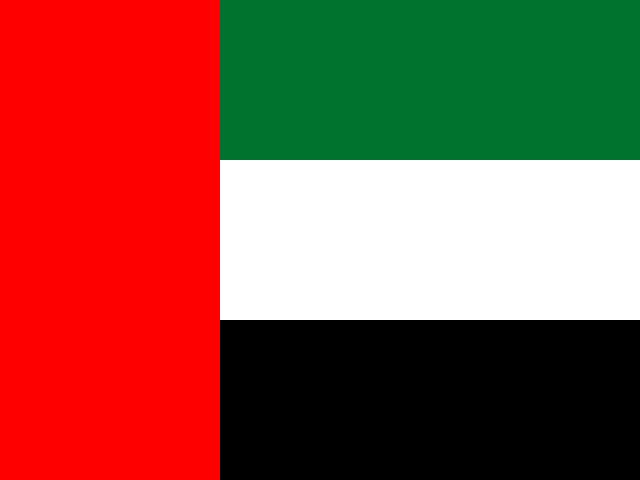 United Arab Emirates
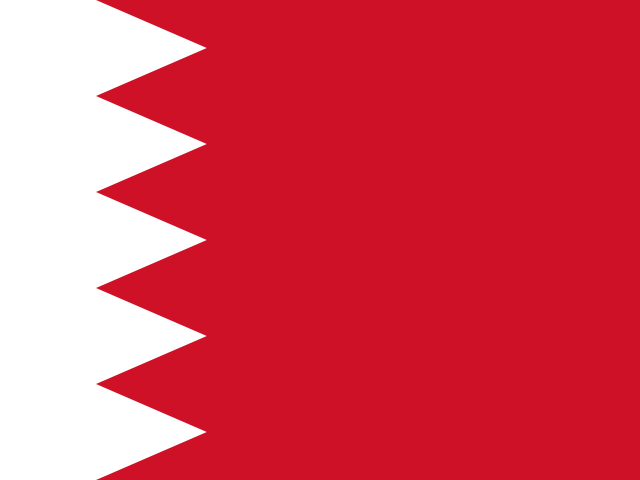 Bahrain
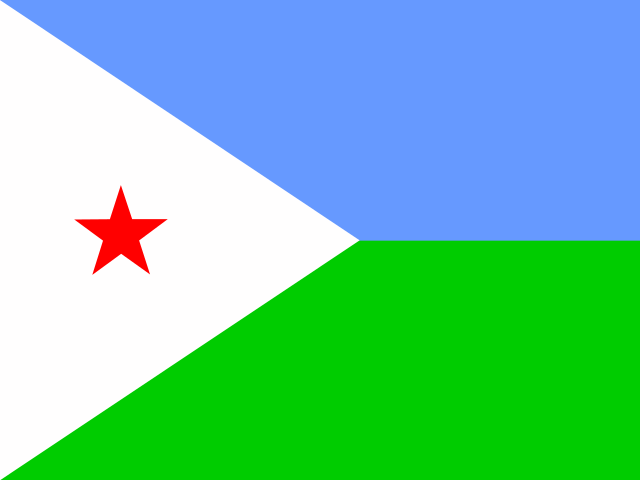 Djibouti
 Egypt
 Eritrea